What Are Human Skills? Definition, Examples, and Why They Matter in the AI Era
What are human skills? Abilities to think, relate, and adapt under pressure. Learn why AI cannot replace them and how to build them.
What are human skills? Abilities to think, relate, and adapt under pressure. Learn why AI cannot replace them and how to build them.
By Kizaan Knapp, SVP of Marketing, meQ
Ask five executives what “human skills” means and you will get five answers. Two will say soft skills, with a slight wince. One will say communication. Nobody will say how they measure it.
What are human skills? They are the abilities that let people think, relate, and adapt under pressure: managing emotion, reading others, communicating, and making sound calls with incomplete facts. They are trainable and measurable, they drive team morale and trust, and AI does not supply them.
They cover how a person handles other people and their own reactions: managing emotion when a project goes sideways, reading what a colleague is not saying, explaining a hard decision so people stay with you, and making a sound call with half the facts.
The label keeps changing. Coursera notes that workplace skills are sometimes called human skills, employability skills, or soft skills. The International Award Foundation lists human skills alongside social and emotional skills, durable skills, and power skills.
Coursera’s examples include emotional intelligence, communication, collaboration, active listening, flexibility, negotiation, conflict resolution, and leadership. The name will change again. The need will not.
“Soft” tells a board these skills are vague and cannot be tested. Both are wrong. A manager who handles a tense conversation well and one who does not produce different results on retention, team morale, and trust, and you can see the difference in the data.
When the label implies optional, the budget treats it as optional.
Algorithms process data and generate content faster than any person. They struggle with real connection, empathy, moral context, and ambiguous social dynamics. Those sit at the center of every hard moment a manager faces: the layoff conversation, the team in conflict, the decision with no clean answer.
The International Award Foundation makes the same argument. Digital tools work best on top of human foundations, and without confidence, resilience, and purpose, technology amplifies passivity and poor judgment. A faster tool in the hands of a team that cannot handle ambiguity gives you faster mistakes.
The more AI takes over routine work, the more of what is left is the human layer. The skills that were always important now decide how well you perform. For what this looks like for managers day to day, see our guide to human skills at work.
Research highlighted by the International Award links these skills to employability and well-being. That is outside context, not our result.
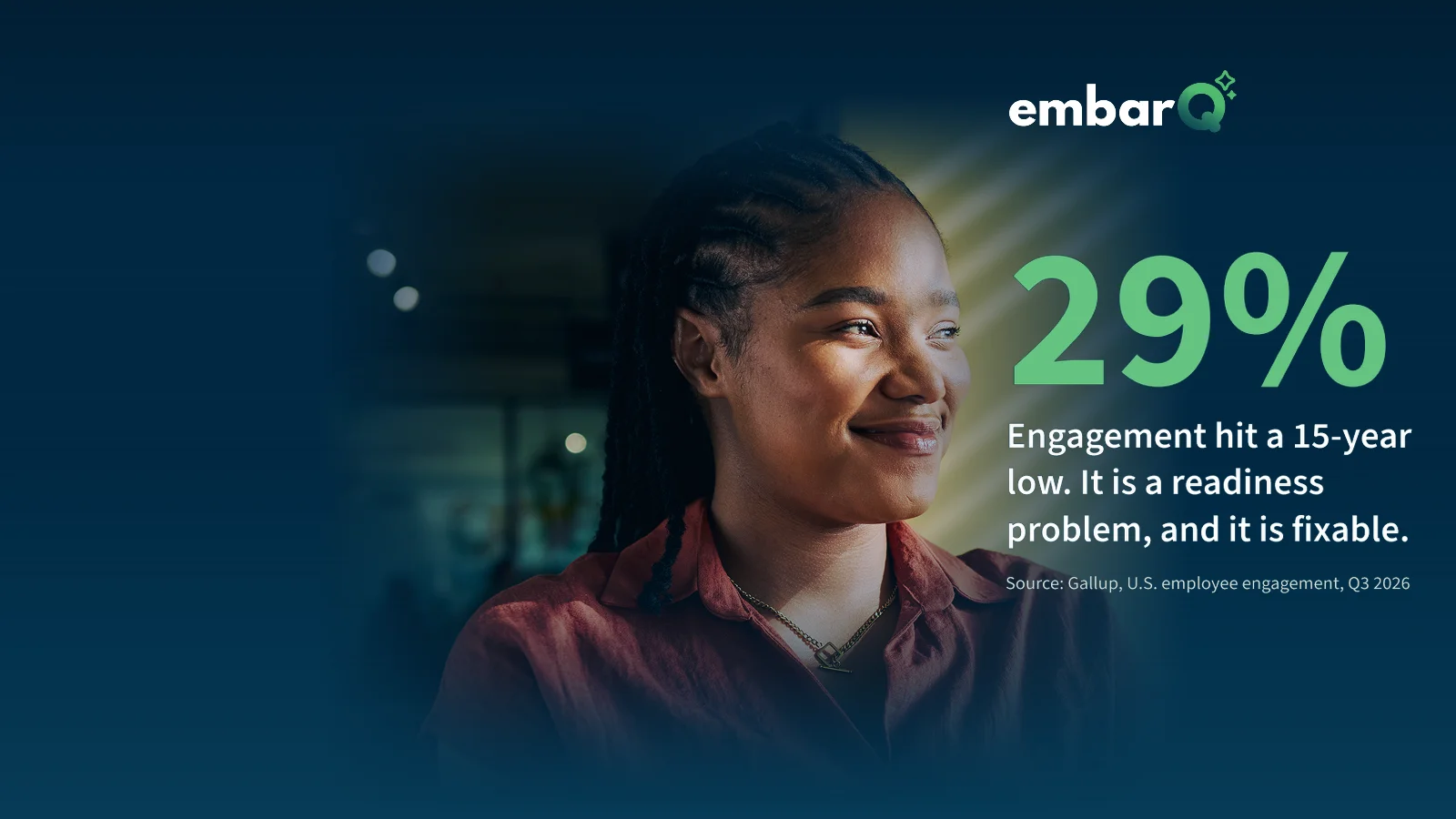
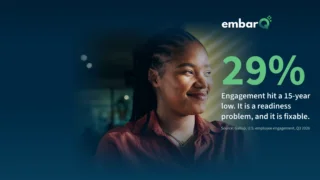
Our own data points the same direction:
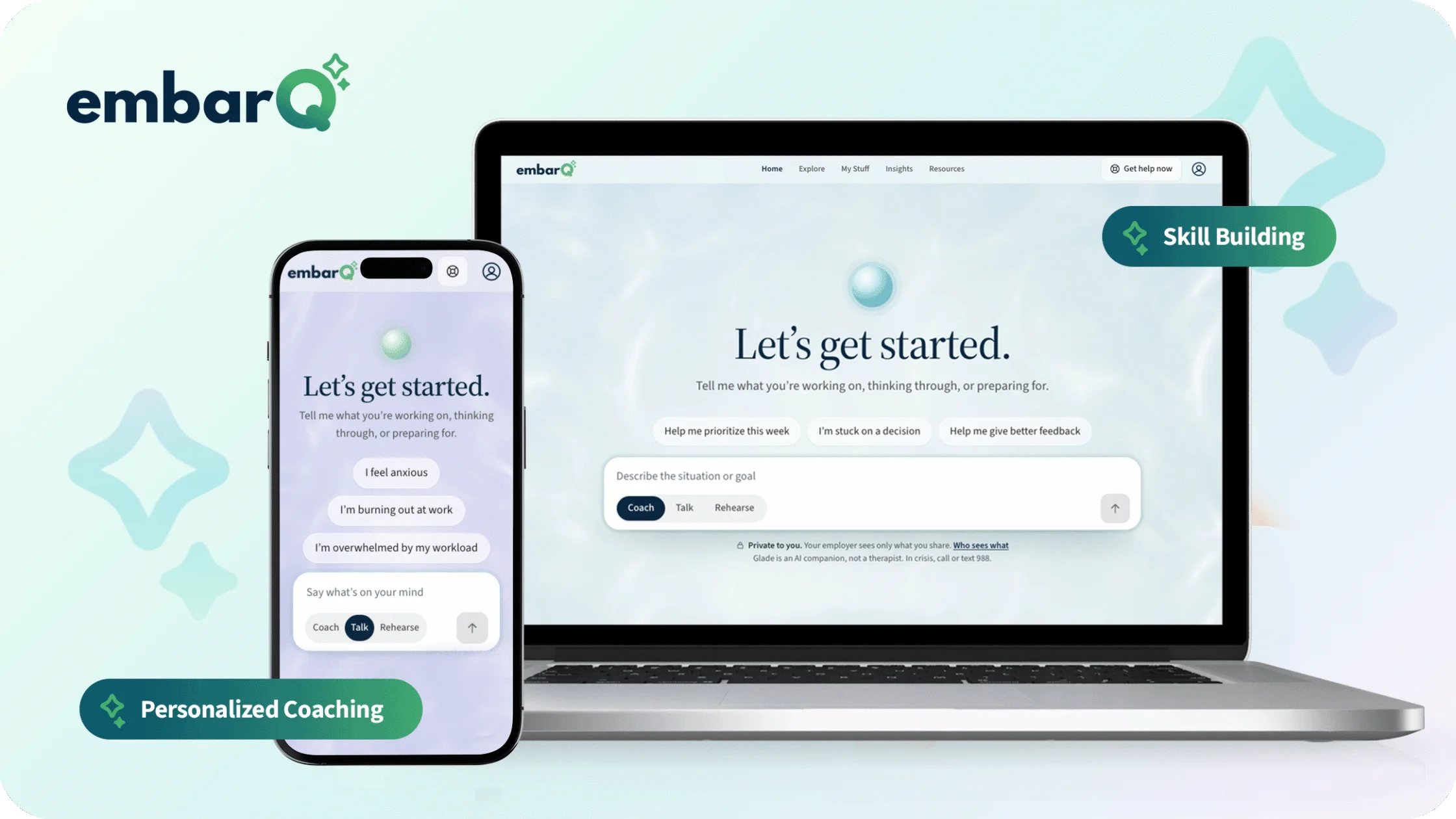
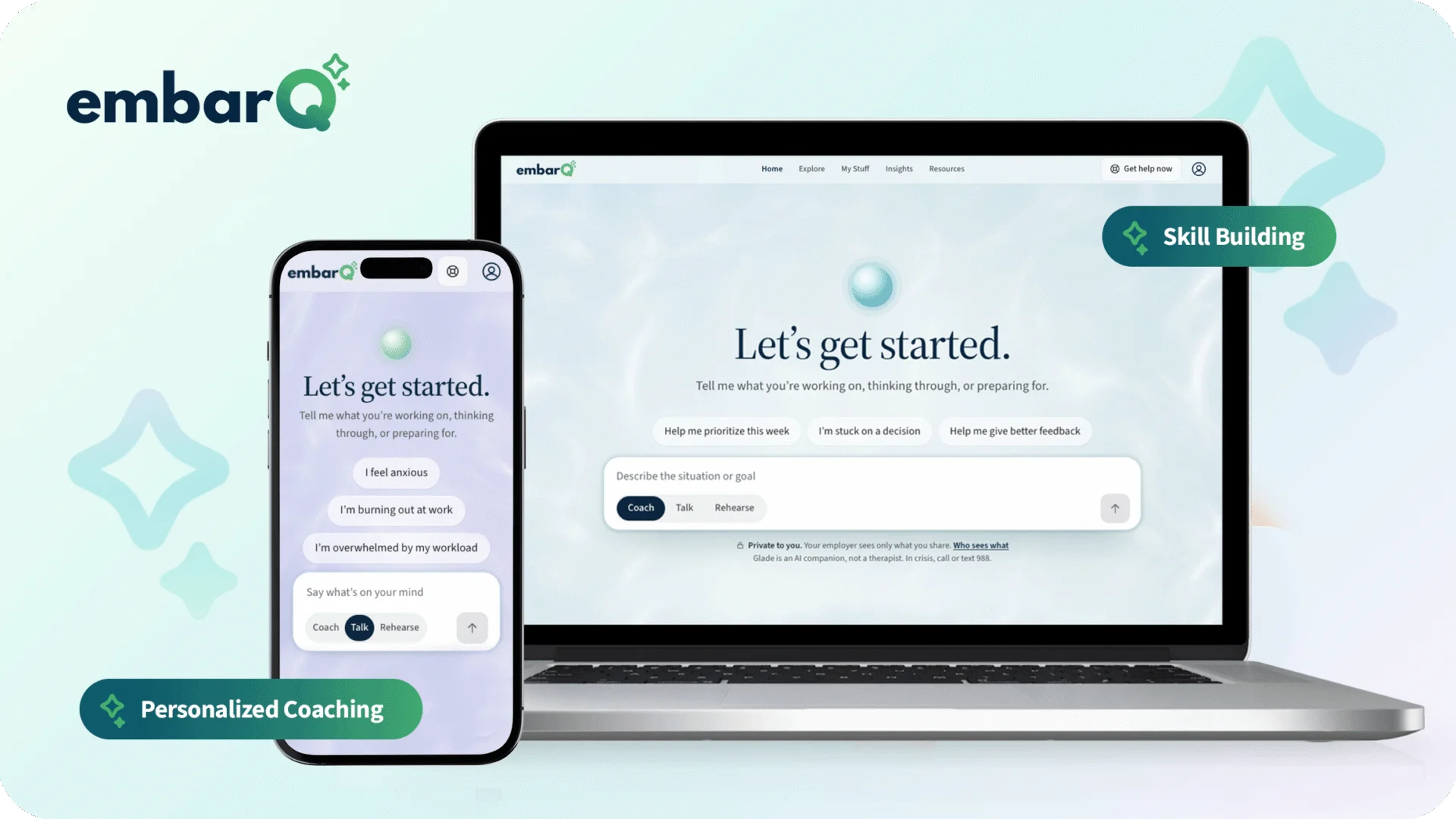
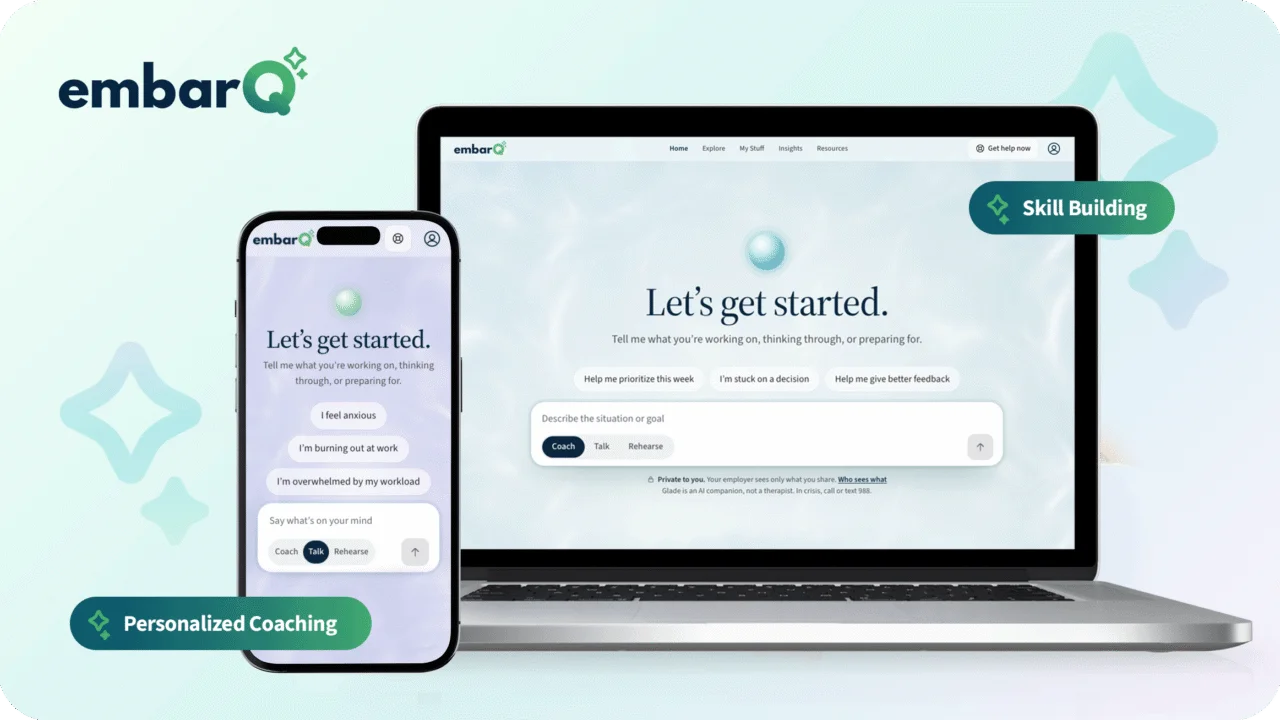
embarQ, powered by meQ, treats human skills the way a good coach treats athletic ones: measure, practice, measure again. It rests on three pillars.
Mostly, yes. Human skills, soft skills, power skills, and durable skills describe overlapping ground. “Human skills” is the clearer label because it makes the point that these skills are measurable and AI does not supply them.
Yes. People build them through practice with feedback, repeated over time, and the progress can be measured by team.
Book a Demo to see how embarQ, powered by meQ, measures and builds human skills across your organization. Book a demo.