Human Skills vs AI Skills: What to Show Your Board in 2027
Human skills vs AI skills: AI skills expire with the tool. Learn what to show your board and how to measure human skills by team.
Human skills vs AI skills: AI skills expire with the tool. Learn what to show your board and how to measure human skills by team.
By Kizaan Knapp, SVP of Marketing, meQ
In the human skills vs AI skills debate, most AI skills plans are stale before the training finishes loading. The tool changes, the prompt tricks expire, and the slide you showed the board in March describes a world that has gone by June.
Here’s the part that wears me down. A CPO gets asked for an AI readiness number, so someone builds a dashboard of course completions and tool logins. It looks great, but tells you nothing about whether a manager can calm a nervous team while the workflow underneath them gets rewritten.
Human skills vs AI skills: tool skills expire with the tool, while human skills decide whether anyone uses the tool well. Show your board human skills, measured by team and trended over time, because they outlast every tool and predict whether an AI rollout works.
A completion rate says people sat through a module. It does not say they will try something new on Tuesday, admit they are confused on Wednesday, or tell their team it is safe to experiment on Thursday.
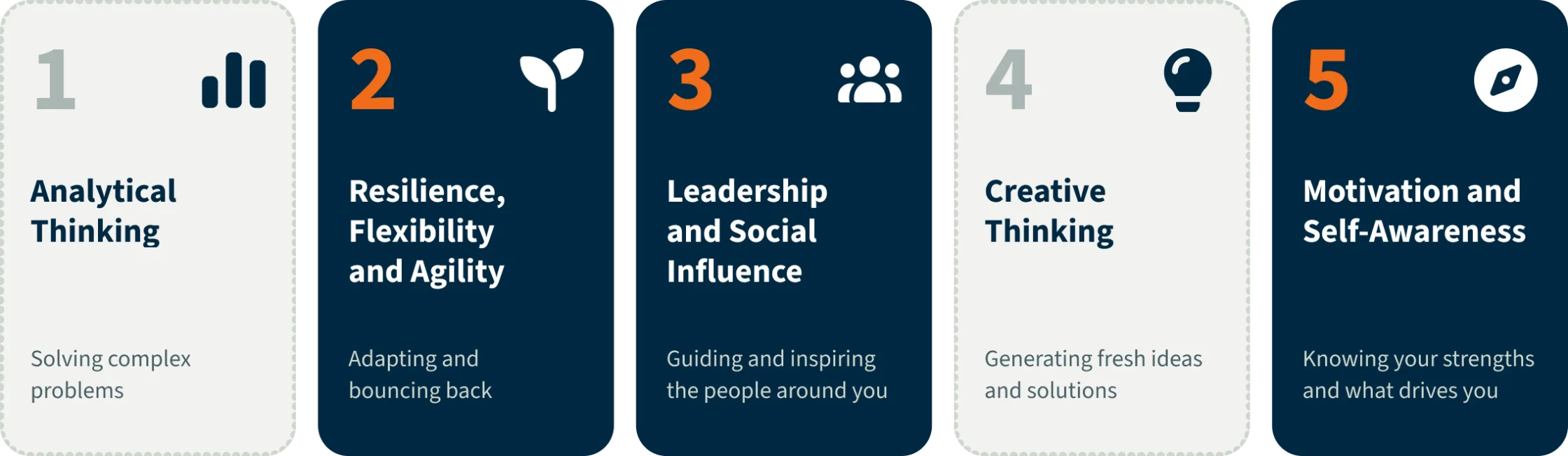
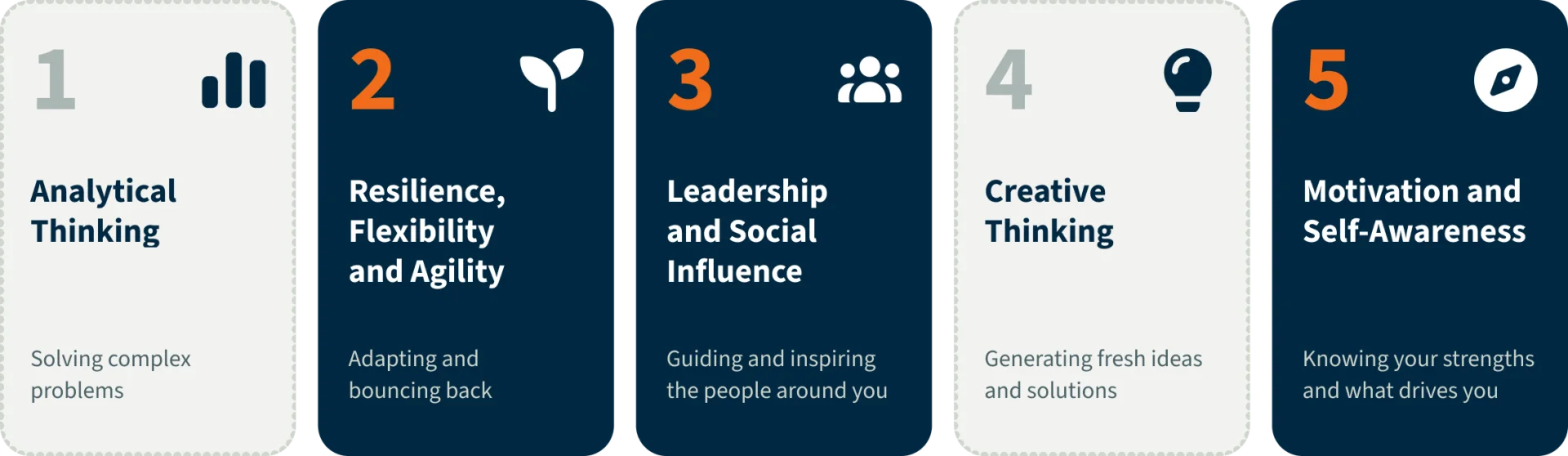
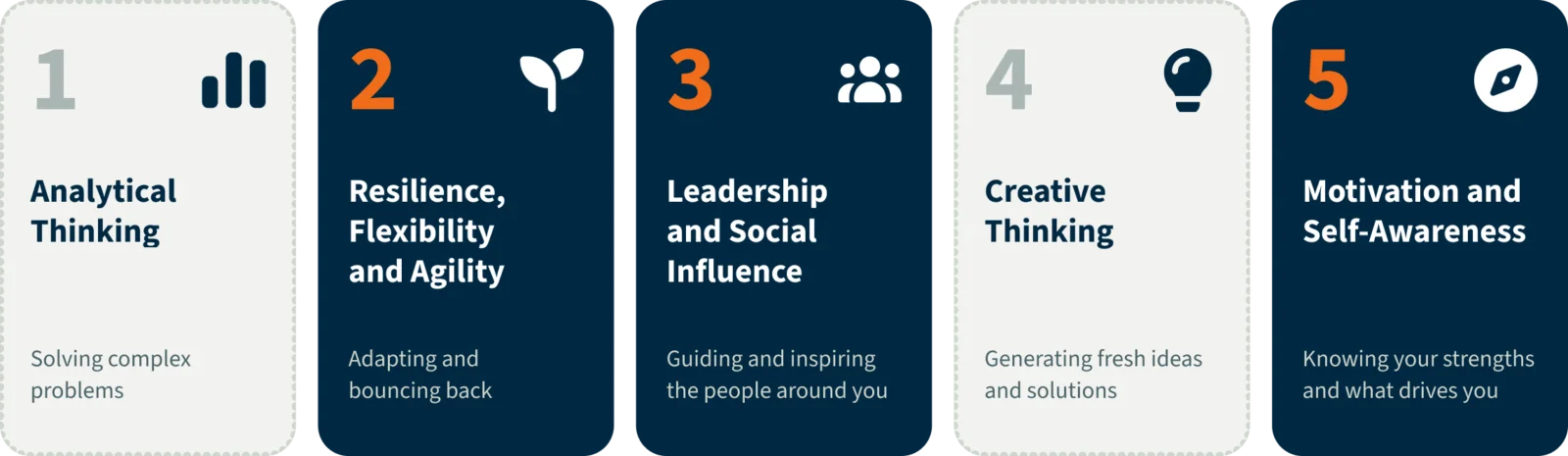
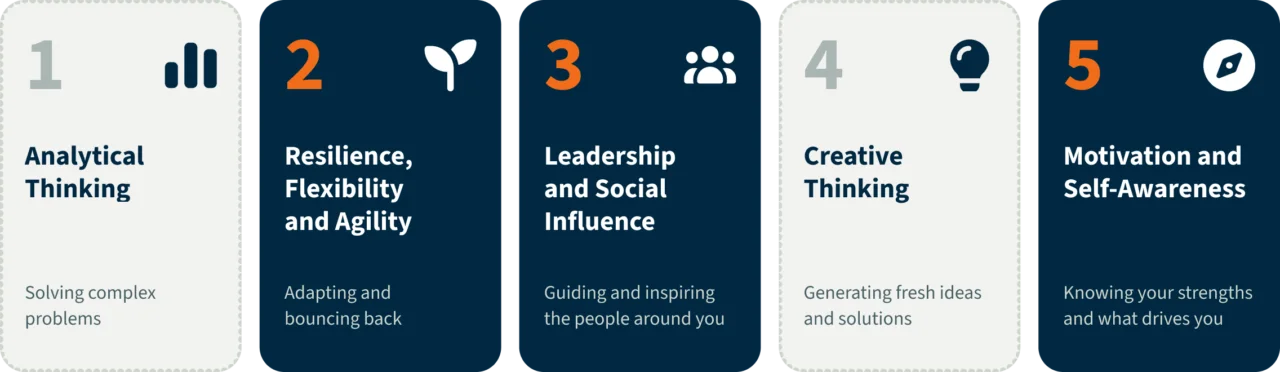
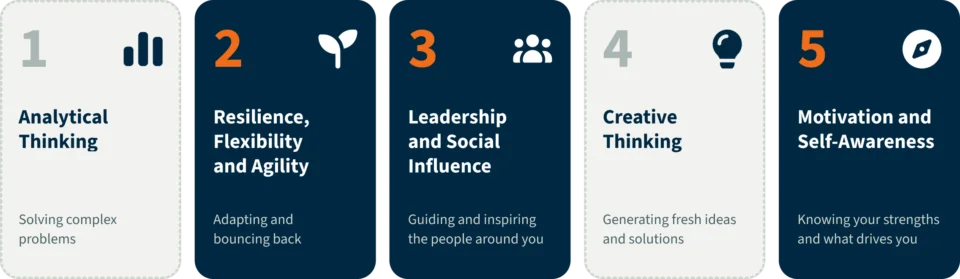
Outside research on human skills vs AI skills points the same way. Lightcast and America Succeeds report that 76% of job postings ask for a durable skill, and 47% ask for three or more. The World Economic Forum’s Future of Jobs 2025 ranks resilience, leadership and social influence, and motivation and self-awareness among the top five core skills.
That is context, not our result. But notice what is missing from both lists. Nobody’s top five is ‘knows the current version of the tool.’
Those three skills predict whether people adopt a new way of working or route around it. And the person who sets the tone is the manager.
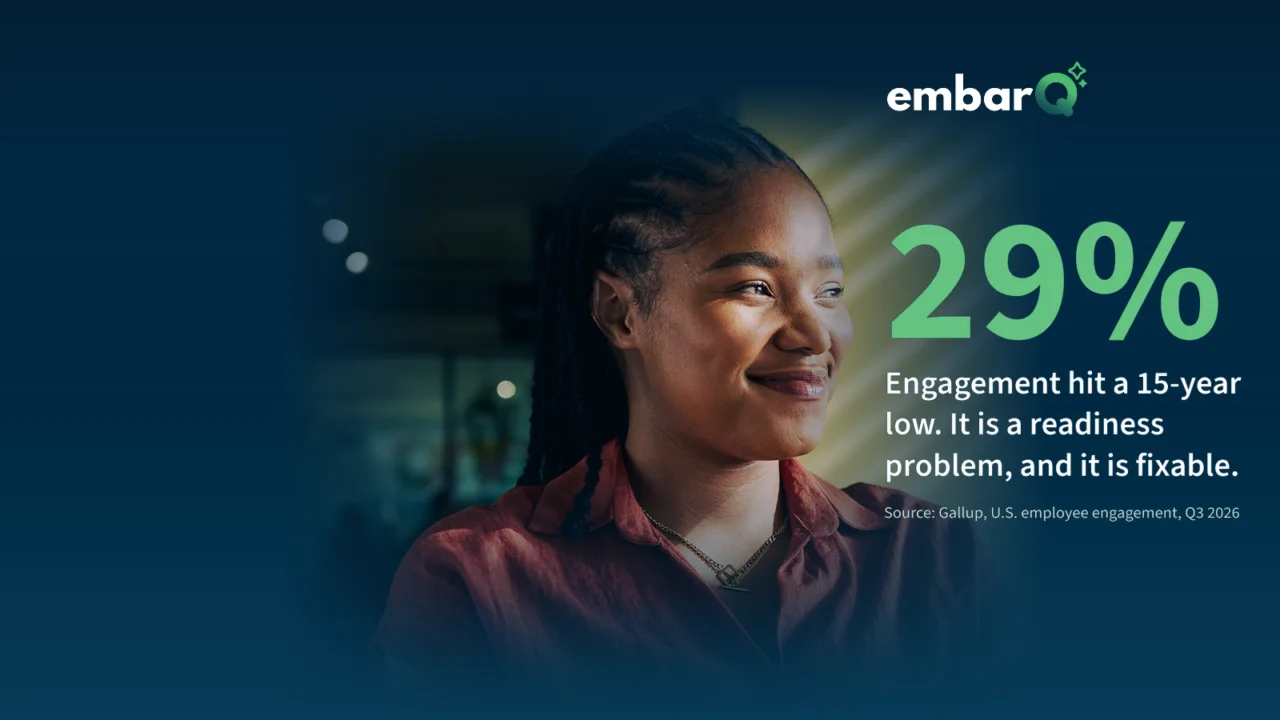
Gallup finds employees whose manager supports AI use are 8.7 times more likely to say AI has transformed their work. Gallup also reports manager engagement fell from 27% to 22% in a year.
So in the human skills vs AI skills picture, the people asked to carry the rollout are also the most stretched. It is not a tools gap. It is a skills gap, and it sits in the middle of your org chart.
On human skills vs AI skills, these programs focused on the skills people need when work changes, and they made practice routine.
Benchmarking is available today through our Professional Services and data science team, using meQ’s book of business.
That is the Human Skills Engine in one sentence: continuous data on the skills that matter, rigorous practice to build them, and impact you can measure as it compounds.
Swap one slide in your next board deck. Show human skills by team, the quarter-over-quarter trend, and one business outcome. Book a demo to see how embarQ, powered by meQ, measures and builds the human skills behind AI adoption.
Show your board a human skills number, not a completion rate.
See human skills by team, trended quarter over quarter, in a 30-minute demo built around your teams.
The human skills vs AI skills difference is durability. AI skills are tool-specific and expire with each release. Human skills such as adaptability, judgment, and communication carry across tools and decide how well the tools get used.
Measuring human skills vs AI skills for a board means tracking a trend by team, not a single score: continuous org-level data, a peer benchmark, and a link to outcomes like turnover.