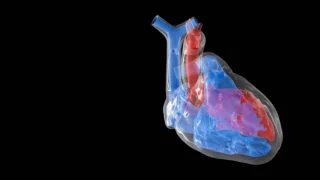
Do They Know They’re Building Ventricular Septal Occluders?
The worker assembling your most critical device may not know what it does. Connect them to the patient outcome and watch quality, care, and performance follow.
By Brad Swingruber, Chief Executive Officer, meQ
Do MedTech manufacturing workers know what they're making?
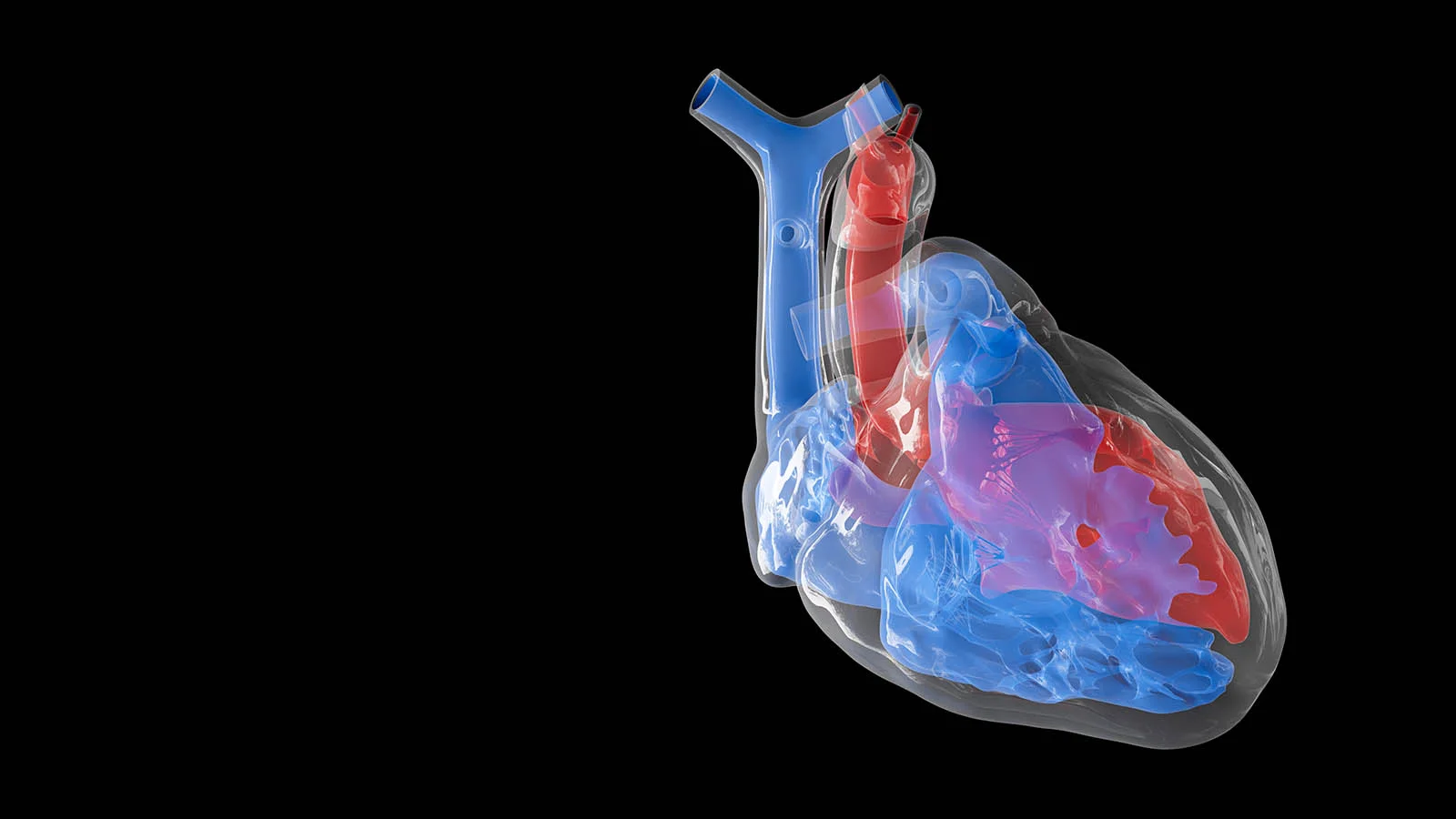
Not in the technical sense: the part numbers, tolerances, QMS requirements. But whether the person assembling a ventricular septal occluder knows it will close a hole in someone's heart that they've lived with their entire life.
The answer matters more than most organizations think, and the data backs that up.
Purpose Is Not a Culture Program. It's a Performance Variable.
meQ's research across more than 550,000 employees identifies four factors that drive sustainable high performance. Purpose is one of them, responsible for a 14% lift in performance scores.
The other three are engagement, positivity, and work-life balance. They determine whether a person executes carefully, raises a concern when something doesn't look right, or pushes through when conditions get hard.
Employees with a strong sense of purpose have almost twice the commitment and motivation of those who don't.
The person who understands that the device they're assembling will go inside a patient has a different mindset than the person who is just meeting a production quota. They pay attention differently.
The Medical Device Industry Has an Unusually Strong Card to Play
Most industries have to work to make purpose feel concrete. Medical device manufacturing doesn't.
The stent a technician assembles today may be placed in a patient next week. The pump calibration a quality engineer signs off on matters to a specific person whose name they'll never know but whose life depends on that signature being right.
That's not a story you have to invent. It's the actual nature of the work. The question is whether your workforce knows it.
What Purpose Does to Performance in Practice
The research is consistent. Employees who feel a genuine connection to the meaning of their work:
- Are more careful and attentive on tasks that require precision.
- Are more likely to raise concerns before they become problems.
- Recover faster from setbacks and disruptions.
- Are more committed to the organization's goals, not just their own metrics.
meQ's resilience research shows that employees with a strong sense of purpose are more likely to mentor colleagues, offer improvement suggestions, and take on harder assignments.
What Gets in the Way of Finding Purpose at Work?
Purpose can erode over time. When it does, employees stop asking questions. Maybe it leads to a slight drift in attention. And then an error.
In medical device manufacturing, the conditions that erode purpose are familiar: production pressure, repetitive work structured around efficiency rather than meaning, limited visibility into what happens after products leave the facility. Workers can spend years on a line without ever seeing a patient outcome tied to their work.
That's a choice organizations make, often by omission. The fix isn't a poster on the wall. It's building a culture where the connection between individual work and patient outcome is reinforced regularly and credibly, with manager support and psychological safety present at the team level.
What HR Leaders Can Do
Purpose is measurable and improvable, a resilience factor that can be built and tracked. A few things make a real difference in manufacturing environments specifically:
- Connect workers to patient outcomes wherever possible. Customer stories, outcome data, physician feedback: any credible signal that makes the connection between someone's work and a patient result reinforces purpose at a concrete level.
- Equip managers to have these conversations. A manager who can speak to why the quality standard matters, not just what it requires, builds purpose at the team level every day.
- Measure it. That's what proactive workforce intelligence does. meQ tracks purpose at the team level, giving HR and operational leaders visibility into where it's strong, where it's eroding, and what to do about it.
That Human Making the Ventricular Septal Occluder
There's a person on a production floor somewhere right now assembling a ventricular septal occluder. They're skilled, they're trained, and they're meeting production targets.
The question is whether they know, really know, that what they're holding in their hands will one day be inside a person counting on it to work. Organizations that answer that question well build workforces that perform differently.
The work matters. Make sure the people doing it know that.
Build a Purpose-Driven Workforce. Watch Quality Improve, Liability Shrink, and the Business Grow.
In an industry where a single recall can cost upwards of $600 million and trigger a 13% drop in stock price, the workforce conditions that prevent quality failures are a business-critical investment.
meQ's proactive workforce intelligence platform measures purpose as a performance variable, at the team level, in real time. If you work in medical device manufacturing and want to understand where purpose is strong and where it's eroding in your workforce, book a demo with our team.
Sources
meQ. The Resilience Imperative: The Critical Role of Workforce Resilience in Uncertain Times. 2023.
meQ. 2026 State of the Workforce Report.
McKinsey & Company/Sparta Systems. The Rising Cost of Product Recalls: Why Prevention Matters. 2025.
Harvard Business School. The Hidden Cost of a Product Recall. 2019.