







When we think of having a sense of purpose and connection at work, our minds typically turn to careers that […]
A large pharmaceutical company partnered with meQuilibrium to build a measurable, scalable employee resilience program during the COVID-19 pandemic. The results:
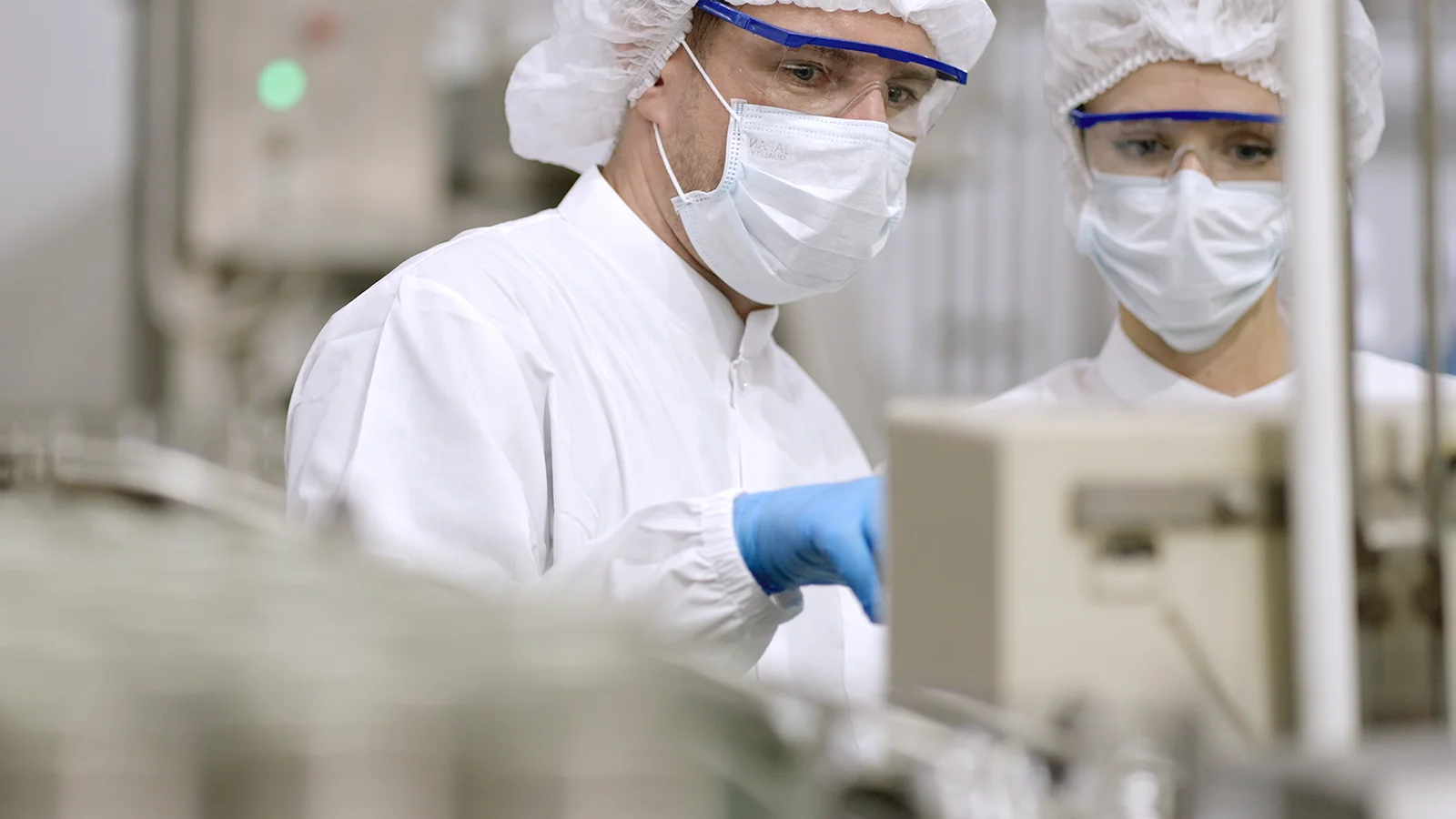
The COVID-19 pandemic created a prolonged, distributed stress event for employers everywhere. For this large pharmaceutical company, the disruption looked different depending on the role: frontline scientific staff continued working onsite, other employees shifted to remote work, and many teams were suddenly reprioritized to support pandemic-related research and operations.
Leadership recognized a critical truth that's now central to modern workforce strategy: employee resilience and well-being directly drive business performance. To help their people stay resilient through sustained disruption, the company turned to meQ's employee resilience and well-being platform.
HR leaders knew their company's performance was tied to the psychological resilience of their workforce, but they lacked the tools to measure it. Faced with a classic "build vs. buy" decision, the team evaluated the market and determined that meQ's combination of resilience-building program with workforce intelligence and analytics was the right fit.
Several structural gaps made this an urgent priority:
This combination of low engagement, low visibility, and unmeasured impact is exactly the gap meQ's platform was built to close.
meQuilibrium's approach combined personalized well-being support with organization-wide workforce intelligence:
With strong executive sponsorship and an internal launch campaign led by company leadership, adoption exceeded expectations:
| Metric | Improvement |
|---|---|
| Stress management | +74% |
| Work-life balance | +40% |
| Burnout symptoms | -30% |
| Generalized anxiety disorder (moderate or worse) | -25% |
| Depression symptoms (moderate or worse) | -16% |
These outcomes reflect a broader trend confirmed across meQ's enterprise clients: when employees have access to personalized, resilience tools, mental health risk factors decline measurably, and engagement sustains over time.
The pharmaceutical company's HR team is now expanding the program by organizing managers and leaders into cohorts based on shared resilience factors, creating a common language and framework for supporting team emotional well-being. This positions the organization to predict and prevent workforce mental health risks — not just react to them — as it navigates future workplace disruptions.
This case study illustrates a pattern relevant to any organization evaluating employee well-being platforms, resilience training programs, or workforce mental health analytics:
Learn how meQ's employee resilience platform can help your organization reduce burnout, lower mental health risk, and build a measurable culture of well-being.
Talk to a meQ Specialist Today →
How much did burnout decline after implementing meQ? Employee burnout symptoms declined by 30% following the rollout of meQ's resilience and wellbeing platform.
What was the employee enrollment rate? More than 14,000 employees enrolled, representing a 68% enrollment rate, with 70% of enrolled employees engaging monthly.
How does meQ differ from a traditional EAP? Traditional EAPs typically reach fewer than 5% of employees who could benefit from mental health support. meQ combines personalized, assessment-based interventions with population-level analytics to reach and engage a much larger share of the workforce.
What outcomes did employees see in anxiety and depression symptoms? Symptoms consistent with moderate or worse generalized anxiety disorder dropped by 25%, and moderate or worse depression symptoms declined by 16%.