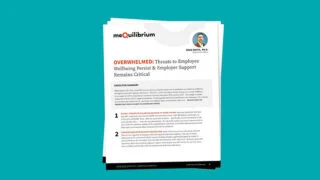
How to Turn Disruption into Opportunity by Addressing Employee Burnout
As questions of requiring vaccinations to return to site, and hybrid work models are top of mind and will be […]
As questions of requiring vaccinations to return to site, and hybrid work models are top of mind and will be […]
As questions of requiring vaccinations to return to site, and hybrid work models are top of mind and will be well into 2022, most employers are far from breathing a sigh of relief. No one has the luxury of thinking, we got through a tough year and we’re resilient so we don’t have to worry about burnout. Future-ready business models continue to change as frequently as they are implemented, sometimes before.
In the wake of the pandemic, an unprecedented number of workers are still managing ongoing disruptions caused by hybrid return to site and remote work along with health concerns and caretaking demands as we face a new surge.
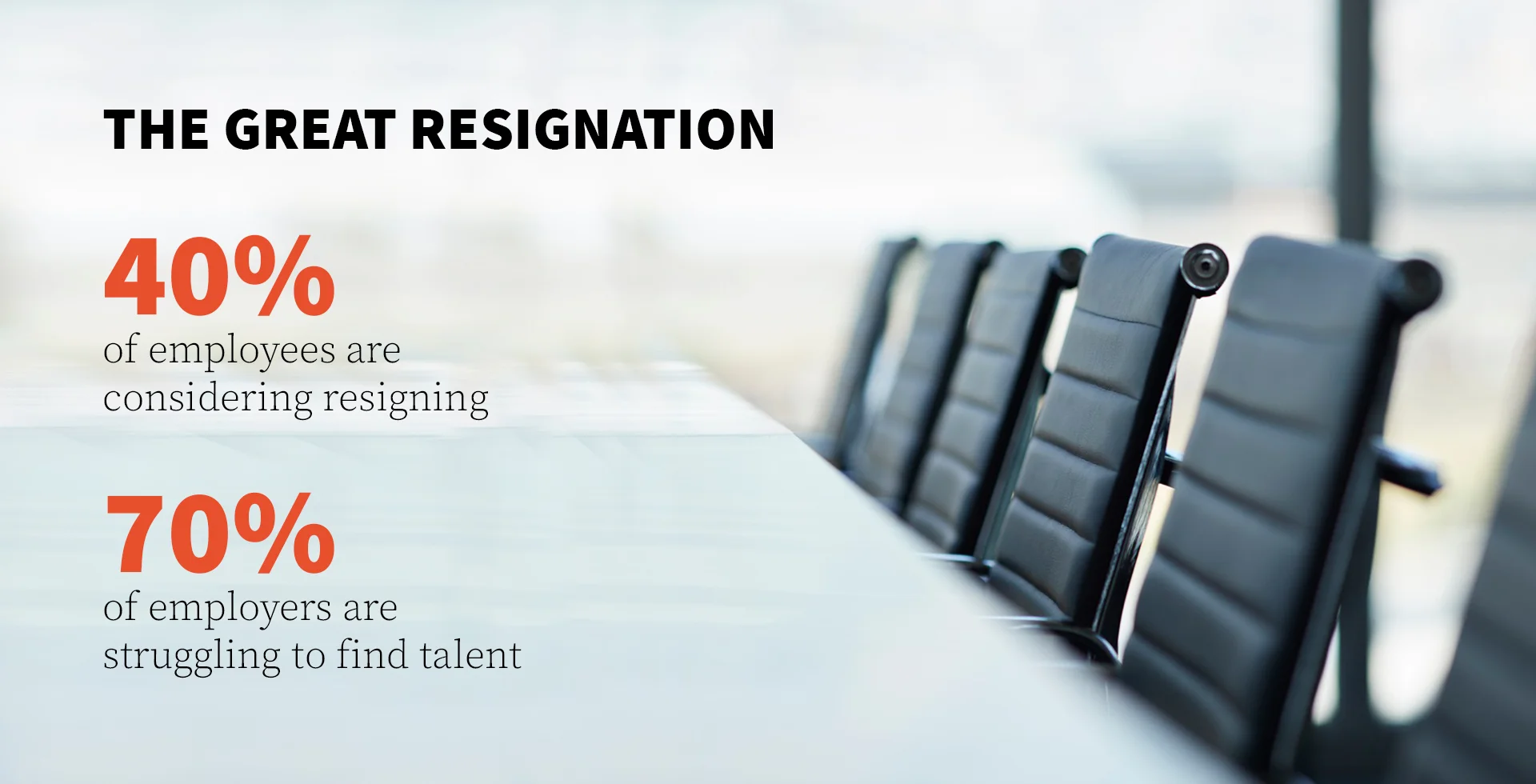
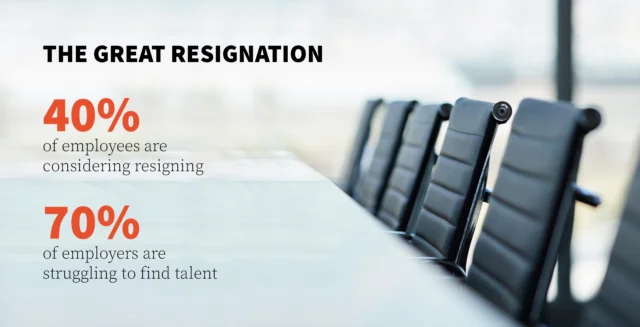
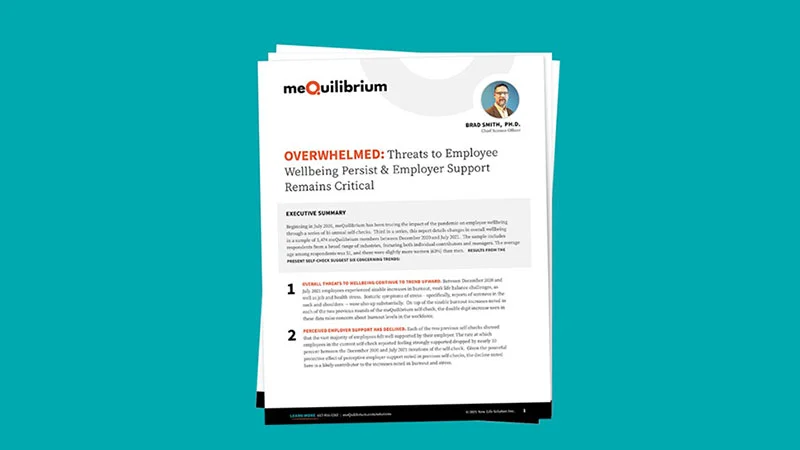
With the terms The Great American Burnout and The Great Resignation beginning to dominate media headlines, it’s more important than ever to understand what contributes to employee well-being and productivity and assess and mitigate the chronic risk of burnout.

Burnout leads to higher costs and turnover. An estimated 89% of employees say that their workplace well-being is declining and 41% of the global workforce is weighing leaving their current employer this year.
Sweeping global changes still weigh heavily on people with 52% of the workforce seeing an increase in burnout and 20% expected to suffer from PTSD. 1 in 3 adults have symptoms of anxiety—of those adults, 60% have both anxiety and depression.

The statistics are staggering. The reality is, the impact doesn’t just go away once all-hands-on-deck emergencies have slowed down and you’re seeing signs of progress. If employers are not prioritizing organizational resilience strategies to support employees who are still managing burnout when they need it the most, you’re headed for a powerful reckoning. One that will negatively impact your bottom line.
Here’s what you may not know: meQuilibrium is a system for resilient growth that utilizes 4 strategic pillars of organizational resilience to help individuals, managers, and teams to have the right plan at the right time.
The difference between organizations that turn burnout risks into opportunities is their mindset. Reaching positive outcomes means mitigating the chronic risks of burnout on an individual and organizational level. By measuring progress, then repeating those steps to build momentum you become a consistent support system for employees in a world of constant flux.
When you set people up for success and protect them from the consequences of not adapting, it’s a win-win that reduces the impacts of burnout through the science of organizational resilience. Organizations that don’t risk making the same costly mistakes that take them farther from progress.
If getting ahead of burnout and the science of organizational resilience aligns with your strategy, reach out to a meQuilibrium specialist. We’re here to help you leverage your ability to predict, prevent, and protect against burnout with unmatched business intelligence.