






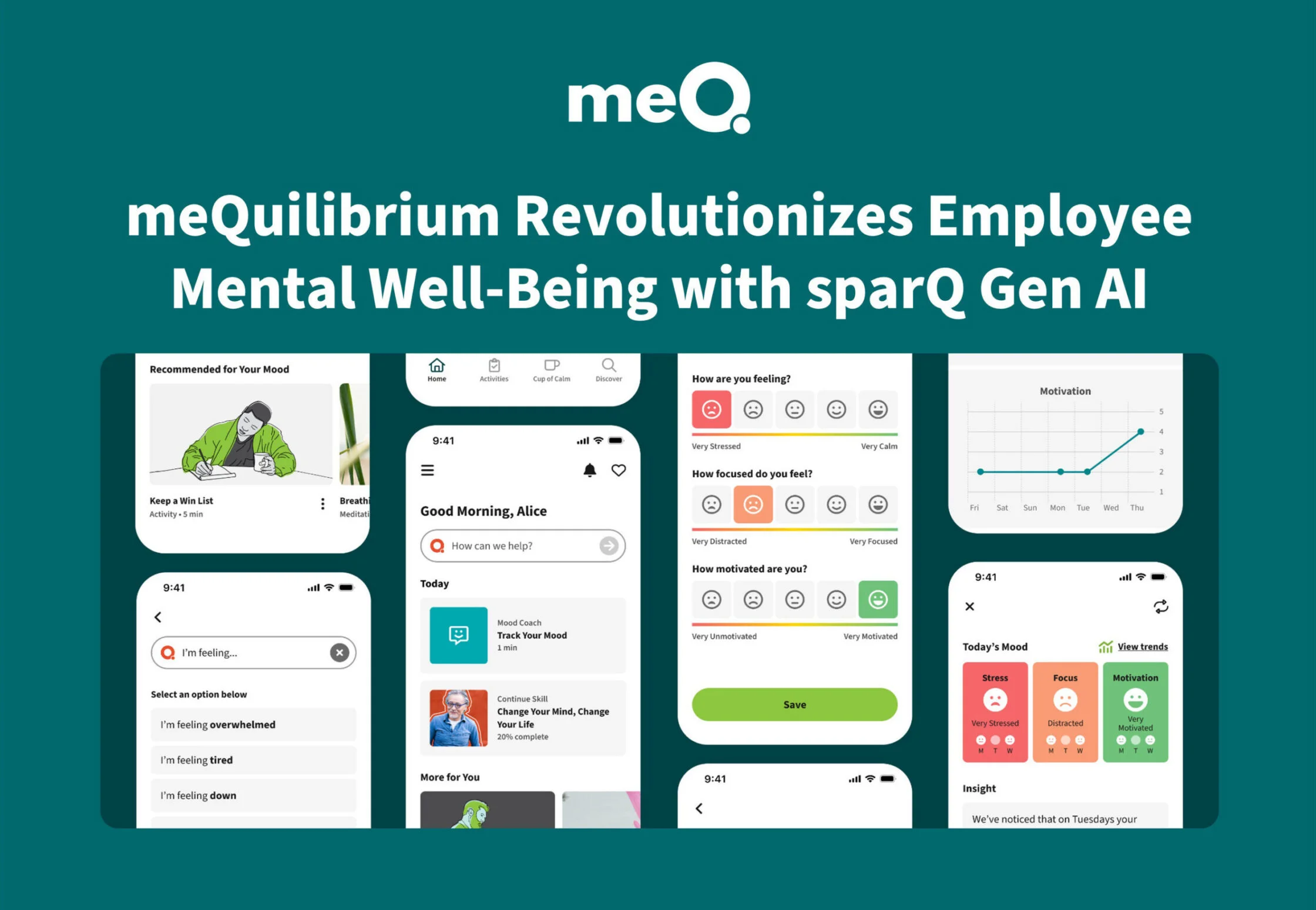
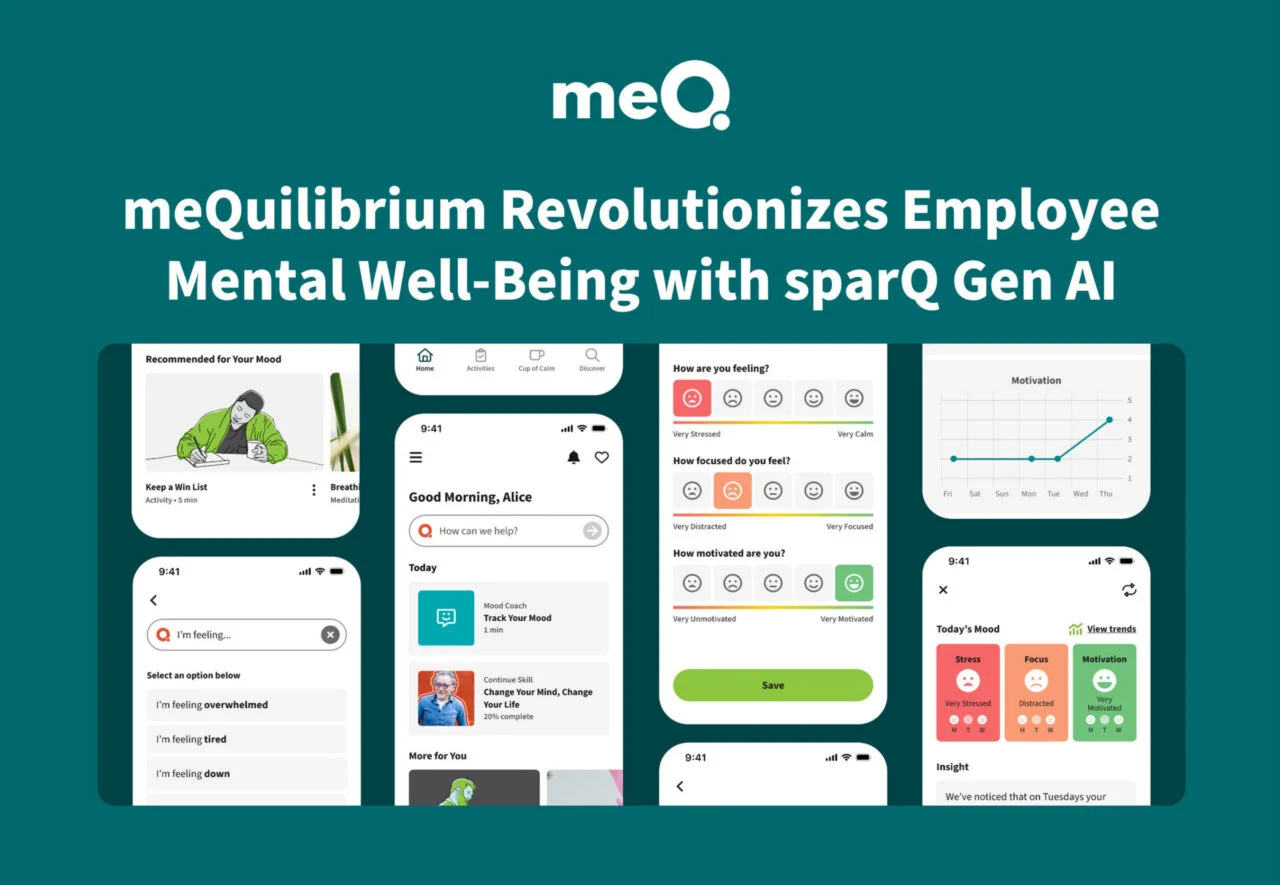
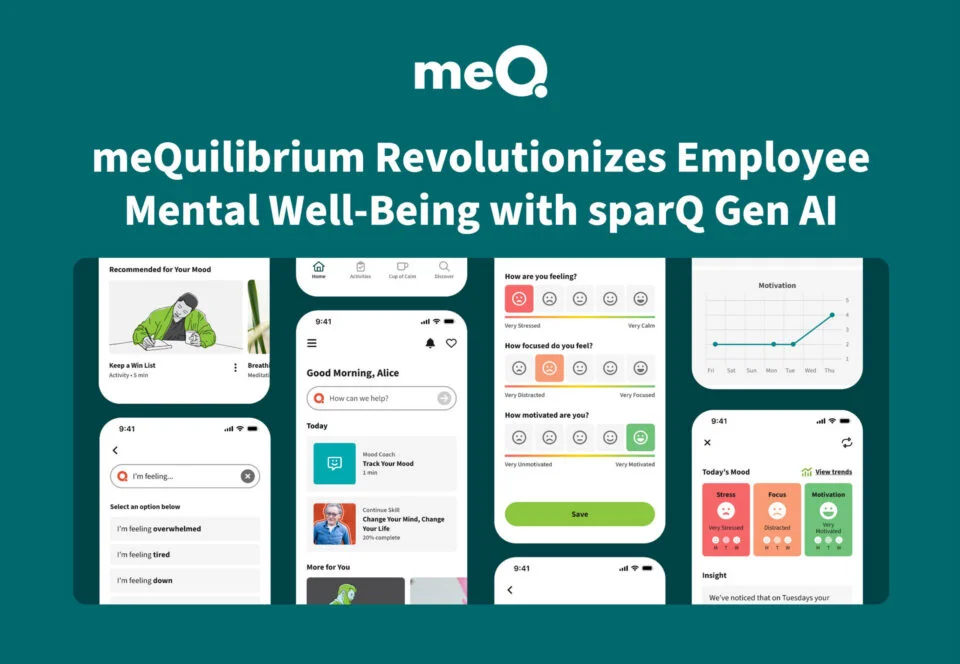
meQ Announces New Gen AI-Powered Dashboard, Delivers Immediate, Personalized Support at Work to Address Performance, Engagement, and Well-being Risks meQuilibrium (meQ) announces […]
A rigorous matched-cohort study shows employees in meQ's resilience program were 18% less likely to leave, and significantly less likely to take extended leaves of absence.
Paychex, Inc. is one of the country's leading providers of integrated human capital management solutions, serving more than 745,000 customers across the United States and Europe with payroll, HR, employee benefits, and insurance services. As a company whose core product is helping other organizations manage their people, Paychex takes its own workforce strategy seriously.
During the pandemic, shifting cultural attitudes helped destigmatize mental health conversations in the workplace. Paychex recognized an opportunity to build on its existing employee wellness programs and address well-being more comprehensively. When the Great Resignation began driving unprecedented workforce churn, leadership wanted hard numbers to guide their response.
As a longtime partner of meQ, Paychex had both the data infrastructure and the strategic relationship to answer a pressing question: does investing in employee resilience actually reduce turnover?
The Great Resignation put HR leaders everywhere on the defensive. Paychex, however, refused to react without evidence. Leadership understood that sustainable workforce retention requires building a culture of resilience, but they needed data to confirm that belief and make a compelling business case for continued investment.
Paychex also recognized that middle managers—under pressure to sustain both team performance and their own well-being simultaneously—required targeted attention. Any intervention would need to support this critical layer of the organization.
Paychex and meQ designed a matched-cohort study to isolate the effect of resilience training on turnover, controlling for the variables that most commonly confound HR research. meQ users were matched one-to-one against non-users on 8 demographic and job-related characteristics: gender, state, ethnicity, division, job type, work-from-home status, manager status, and age.
This design allowed researchers to attribute differences in turnover directly to meQ participation rather than to underlying demographic or role-based factors. The study tracked both groups over a 5-month window.
meQ's resilience training program was deployed methodically, with a deliberate emphasis on both individual skill-building and team-level learning. Middle managers received targeted messaging acknowledging the dual burden they carry; sustaining team performance while managing their own stress and well-being. This nuanced rollout reflected Paychex's commitment to supporting employees at every level of the organization, not just those in the most visible positions.
The study found that Paychex employees enrolled in meQ's resilience training were 18% less likely to turn over compared to their matched counterparts. For a company of Paychex's size, that improvement in retention translates to significant savings in recruiting, onboarding, and lost productivity costs.
When meQ usage data was connected to extended leave-of-absence records, meQ participants were also found to be significantly less likely to take extended leaves, suggesting resilience training also reduces the severity of workplace stress.
Beyond the turnover study, Paychex leveraged meQ's Workforce Intelligence dashboard to surface continuous, actionable data on employee well-being. Leadership could see in real time which interventions were moving the needle, and which areas—such as physical wellness factors and emotion regulation skills—needed additional support.
Rather than making decisions based on annual engagement surveys, Paychex was able to confirm opportunities, select targeted responses, and track improvements as they unfolded. This shift from reactive to predictive HR strategy represents one of the most durable benefits of the meQ partnership.
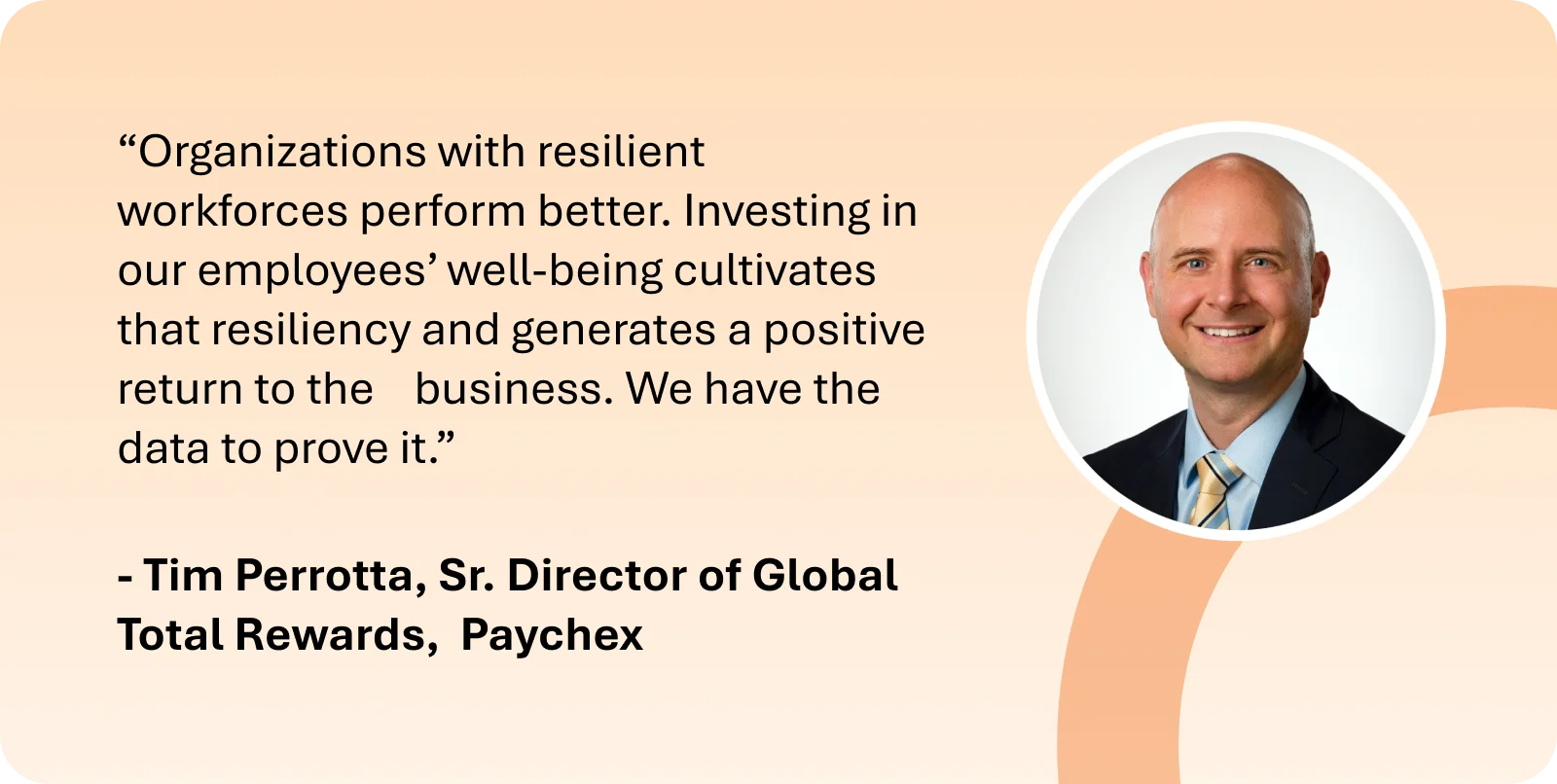
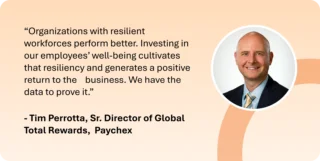
The results of this study reinforced what Paychex leadership already suspected: resilience is not a soft HR initiative; it's a measurable driver of business performance. Paychex is committed to weaving resilience into the fabric of its organizational culture, treating well-being not as a standalone benefit but as a core component of how the company operates and grows.
With meQ's combination of resilience training, behavioral science, and real-time workforce analytics, Paychex is positioned to predict and prevent people-related risks before they become costly problems, adapt to emerging workforce challenges with evidence-based responses, and prepare employees at every level for the future of work... and life.
The lesson for other organizations is straightforward: when you give employees the tools to build genuine psychological resilience, they stay, and they perform better.